UL Solutions has introduced a certification programme for direct-to-chip liquid cooling subassemblies utilised in AI data centres as well as high-density computing environments.
The scheme assesses component safety, operational performance, and interoperability as data centres adopt liquid thermal management to handle increasing heat loads from advanced chips.

Access deeper industry intelligence
Experience unmatched clarity with a single platform that combines unique data, AI, and human expertise.
Cooling currently accounts for up to 40% of electricity consumption in data centres, where global power demand is projected to more than double between 2024 and 2030.
Intensive AI processors produce significant heat that traditional air cooling, such as fans and chilled airflow, may struggle to dissipate, creating risks of hardware throttling, shutdowns, or permanent damage.
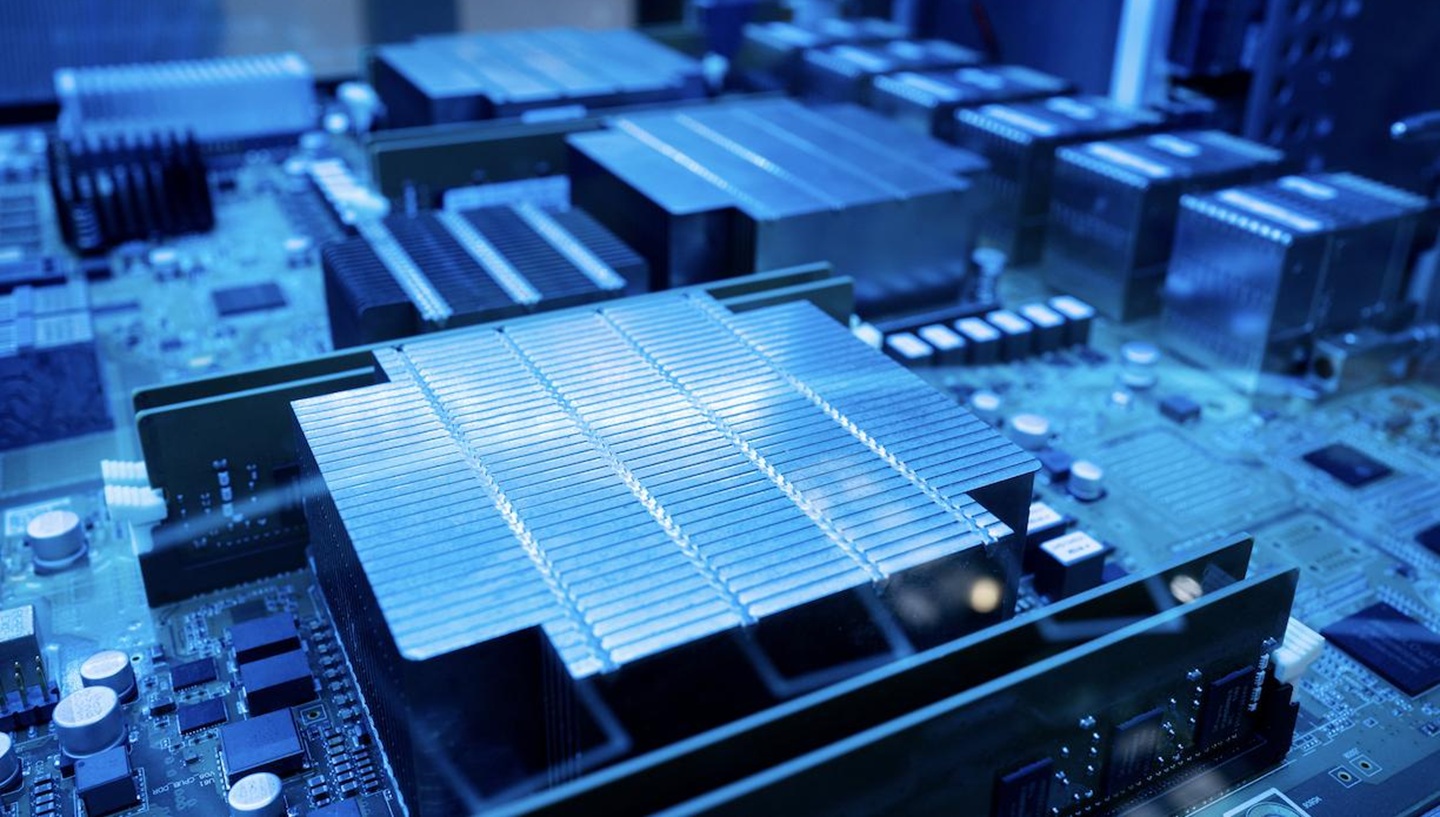
Direct-to-chip cooling addresses this by routing coolant via cold plates attached directly to processors to draw thermal energy away.
UL Solutions president and CEO Jennifer Scanlon said: “As AI data centres handle more powerful computing, they depend on even more advanced cooling systems to operate safely and reliably.
“Our certification helps IT equipment manufacturers demonstrate product performance and safety while giving data centre operators greater confidence during integration.”
Evaluations are conducted under UL 4501, formally titled the Outline of Investigation for Safety, Performance and Interoperability of Liquid-Filled Components and Assemblies Used in Liquid Cooling Systems.
The framework examines pressure and leak integrity, fluid compatibility, mechanical durability, liquid flow, production controls, interoperability, and installation specifications.
Hardware covered under the programme includes cold plates, fluid manifolds serving server racks, and quick-disconnect couplings that allow maintenance without draining entire cooling loops.
While liquid systems improve heat dissipation, issues such as fluid leaks, corrosion, contamination, and mismatched components across suppliers present operational and safety challenges.
Evaluating parts before final assembly assists manufacturers in validating performance claims and aids data centre operators in equipment selection.