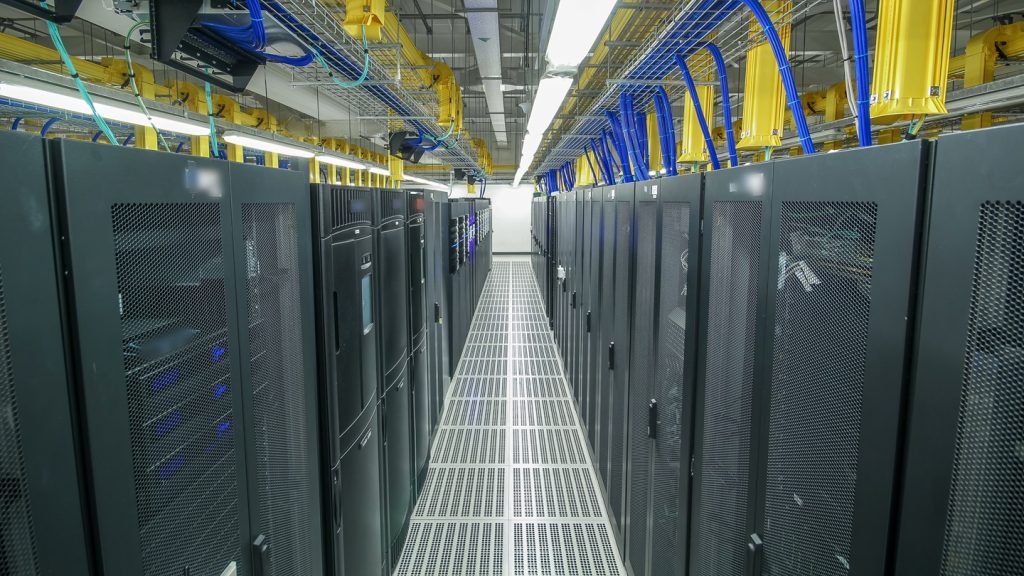
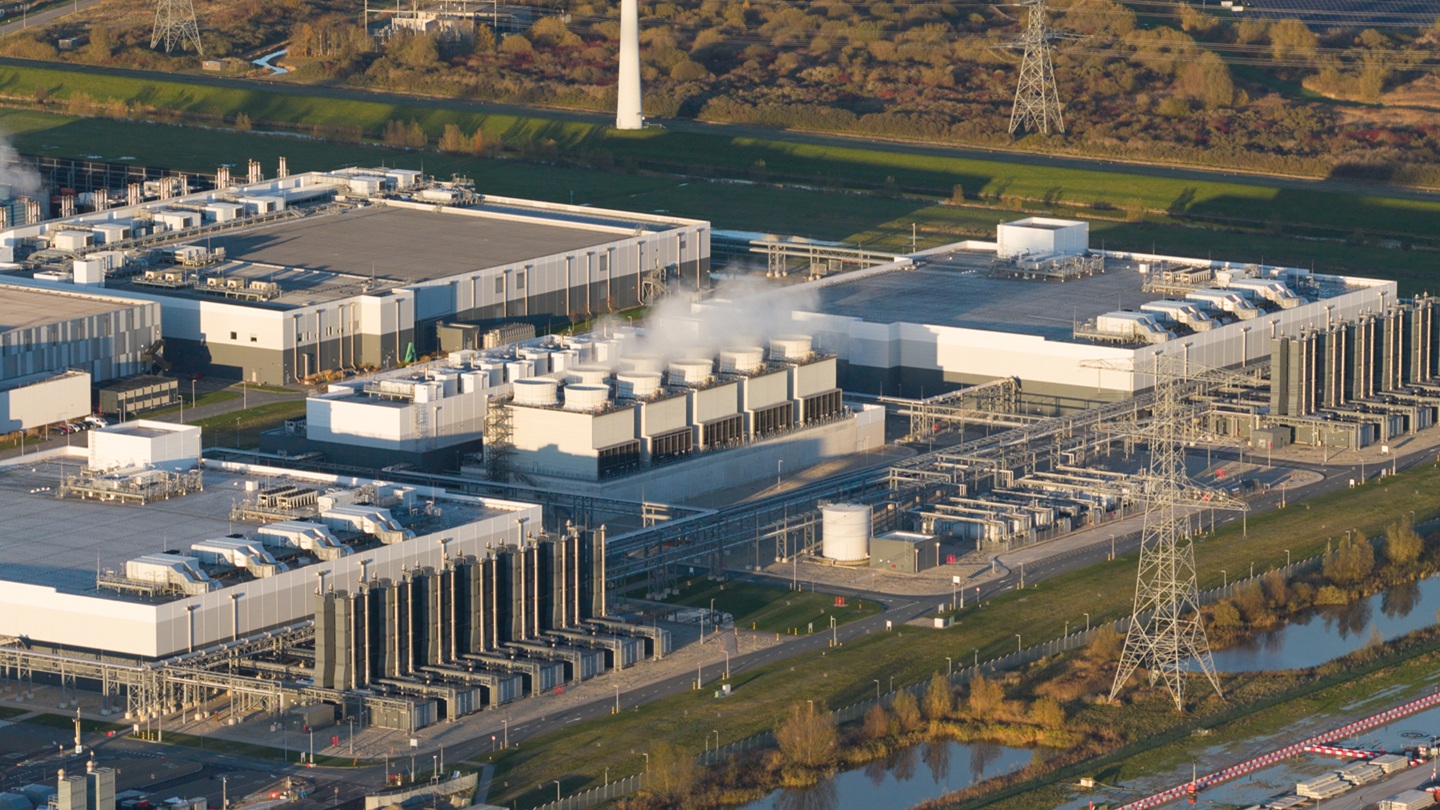
Prysmian and Rio Tinto have agreed to supply electrical cables produced with ELYSIS technology for installation at an Amazon data centre near Columbus, Ohio, US.
The project will represent the first reported use of inert-anode-smelted, low-carbon aluminium cables in a data centre, utilising ELYSIS aluminium manufactured without direct greenhouse gas emissions from the smelting process.

Access deeper industry intelligence
Experience unmatched clarity with a single platform that combines unique data, AI, and human expertise.
Prysmian’s cables are being shipped from its facility in Sedalia, Missouri.
The ELYSIS technology generates oxygen during aluminium production, rather than the carbon dioxide and perfluorocarbons typically emitted using conventional processes.
According to Prysmian, this approach aligns with broader efforts to reduce carbon footprints in data centre infrastructure and support sustainability ambitions.
Prysmian and Rio Tinto first announced the planned introduction of building wire made with ELYSIS aluminium in March 2026.
Amazon Web Services (AWS) data centre engineering vice president Joern Tinnemeyer said: “We aim to reach net-zero emissions across our operations by 2040 through decarbonising our operations and supply chain, down to the raw materials.
“Traditionally, making aluminium is carbon-intensive, but this wire was made with technology that emits oxygen instead of carbon dioxide and perfluorocarbons.
“Prysmian, Rio Tinto, and Wesco are showing that lower-carbon materials aren’t a future concept – they’re here and going into Amazon data centres today.”
Prysmian has set a target to achieve Net Zero by 2035, alongside plans for 55% of its revenues to be generated from sustainability-linked solutions by 2028.
Prysmian sustainability research and development (R&D) chief and innovation officer Srinivas Siripurapu said: “The data centre industry needs advanced technologies like this: cables that can effectively carry power, meet high-quality standards, and make a positive impact to the sustainability of the entire value chain.
“We have partnered with organisations that share our mission for sustainability-driven innovation, from Rio Tinto’s supply of low-carbon aluminium to the delivery of product through our partnership with Wesco, and ultimately Amazon’s final product.”