Panthalassa has secured $140m in Series B funding to support the expansion of its offshore AI computing technology.
The investment round was led by PayPal’s co-founder Peter Thiel and featured new participants such as Marc Benioff, Max Levchin, John Doerr, Hanwha Group, Fortescue Ventures, Super Micro Computer, and Susquehanna Sustainable Investments.

Access deeper industry intelligence
Experience unmatched clarity with a single platform that combines unique data, AI, and human expertise.
The new investors joined alongside returning backers Founders Fund, Gigascale Capital, and Lowercarbon Capital. Panthalassa had raked in $53m in its Series A round in 2024.
The start-up intends to allocate the Series B proceeds to finish its pilot manufacturing plant near Portland, Oregon, and to expedite deployment of its Ocean-3 series nodes.
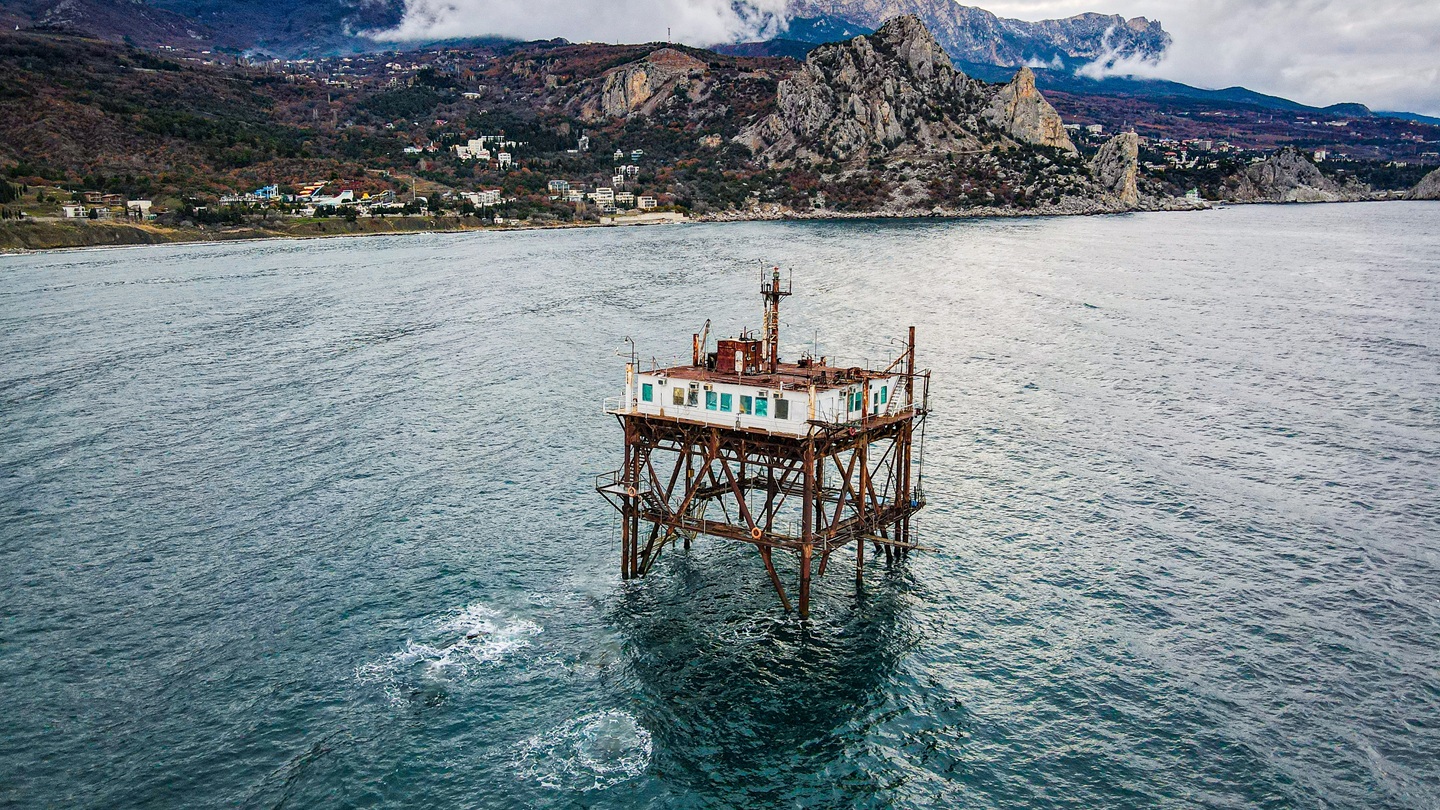
These nodes are autonomous units manufactured from plate steel at coastal facilities, operating far from shore in energy-dense wave regions.
Equipped for mass production, the nodes generate electricity from continuous wave movement and directly power AI chips onboard. They deliver computing outputs ashore through satellite links, rather than routing energy back to terrestrial electric grids.
The surrounding ocean provides cooling, which addresses heat management challenges and prolongs component lifespan compared to land-based data centres.
Peter Thiel said: “The future demands more compute than we can imagine. Extra-terrestrial solutions are no longer science fiction. Panthalassa has opened the ocean frontier.”
According to Panthalassa, pilot projects such as Ocean-1, Ocean-2, and Wavehopper, tested in 2021 and 2024, validated its power generation and at-sea computing approach.
The company plans to deploy its Ocean-3 pilot nodes in the northern Pacific Ocean in 2026. This will help verify sustained AI inference and support process optimisation ahead of commercial deployment in 2027.
Panthalassa co-founder and CEO Garth Sheldon-Coulson said: “There are three sources of energy on the planet with tens of terawatts of new capacity potential: solar, nuclear, and the open ocean.
“We’ve built a technology platform that operates in the planet’s most energy-dense wave regions, far from shore, and turns that resource into reliable clean power. We’re now ready to build factories, deploy fleets, and provide a sustainable new source of energy for humanity.”