The energy transition has spent years focused on supply. The next challenge may be demand.

According to GlobalData, global data centre electricity consumption is expected to rise from 481TWh in 2024 to 1,520TWh by 2030, while installed capacity grows from about 100GW to around 296GW. Forecasts for AI-related electricity demand vary considerably, and the eventual trajectory will depend on technology, efficiency gains and the pace of deployment. Even so, few scenarios point to anything other than substantial growth.

Access deeper industry intelligence

Experience unmatched clarity with a single platform that combines unique data, AI, and human expertise.
Find out more

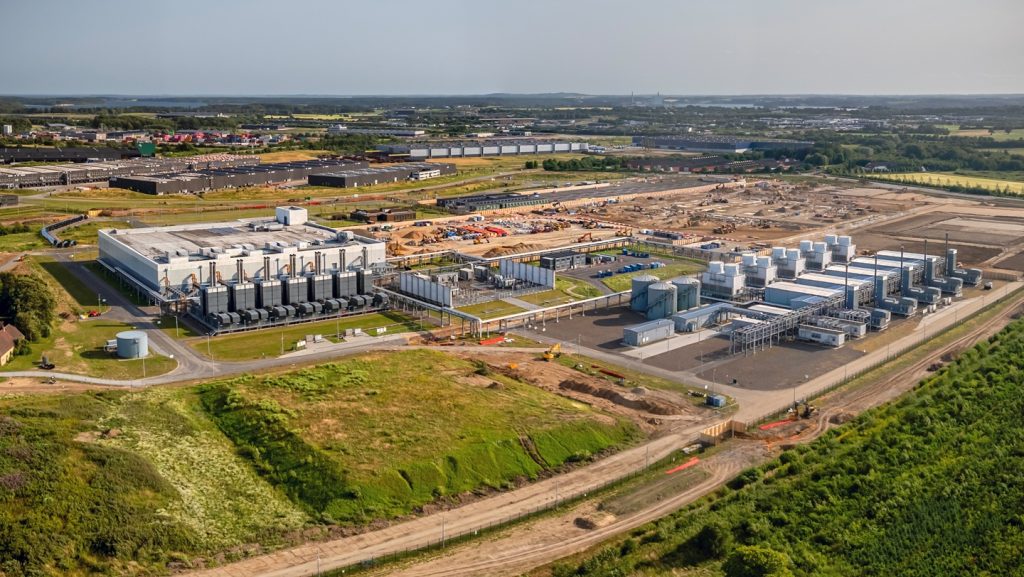
The significance extends beyond the headline figures. Despite some opposition, data centres are emerging as a new class of electricity customer on land, in the cloud and perhaps at sea: large, concentrated loads with investment timelines that often move faster than the infrastructure needed to serve them. As computing becomes more power-intensive, access to electricity is becoming a critical factor in where capacity is built and how quickly it can expand.

That is beginning to reshape decisions across power markets, from network planning and renewable procurement to energy storage and grid investment.

Electricity is becoming a location advantage

The rapid expansion of cloud computing has been driving data centre growth for years. AI is changing the scale of that growth.

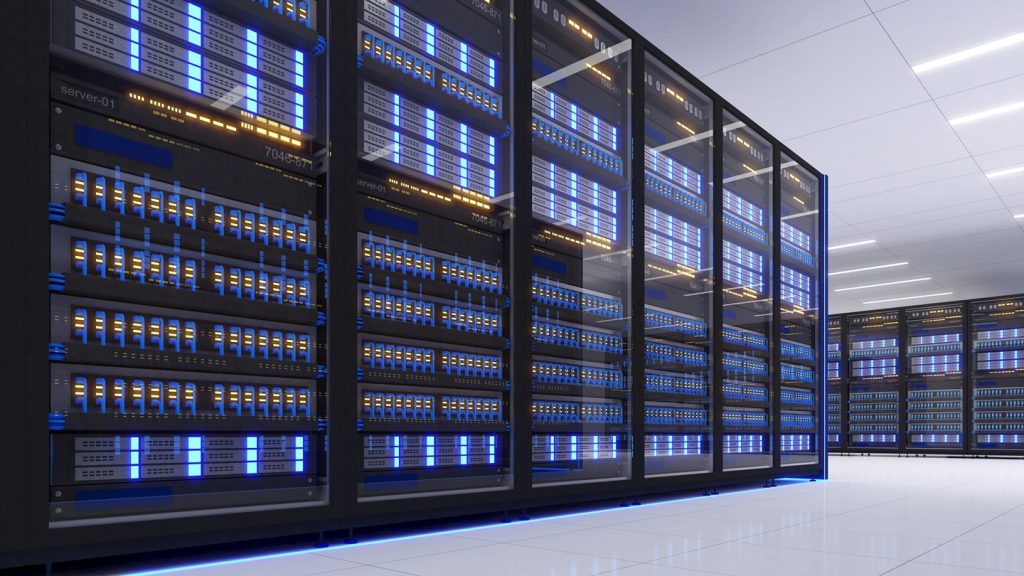
Training and running advanced models requires dense deployments of computing hardware, increasing demand for both power and cooling. The result is a shift towards larger facilities with greater electricity requirements and less tolerance for interruptions.

Historically, location decisions were driven primarily by connectivity and proximity to users. Those considerations remain important, but power availability is becoming increasingly influential.

Data center consumption, global

Data Center Consumption, Global
Power consumption is the largest operational cost for data centers, mainly driven by 24/7 server operations and intensive cooling requirements. Globally, data center electricity demand is projected to triple by 2030, reaching nearly 1,520 TWh as AI-optimized servers, which use five times more power, become mainstream. Source: GlobalData.

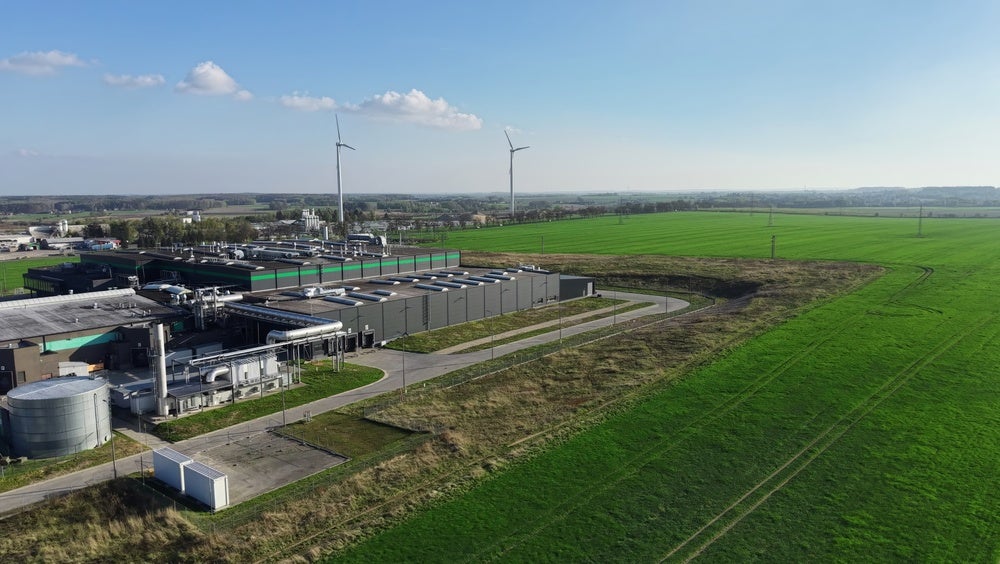
GlobalData highlights several nations as examples of markets benefiting from this shift. Canada combines access to low-carbon electricity with proximity to major US demand centres. In particlualr, access to low-carbon electricity is helping Québec attract a growing share of data centre investment. The QScale Q01 Campus in Lévis, designed for AI and high-density computing, is expected to provide up to 142MW of IT capacity when fully developed and will be powered almost entirely by renewable energy.

The projected expansion of South Korea’s data centre sector presents both a challenge and an opportunity for the country’s energy transition. Electricity demand from data centres is expected to more than double by 2030, creating a substantial new source of load at a time when policymakers are seeking to expand renewable generation and reduce emissions. Proposed reforms that would enable direct power purchase agreements between operators and generators suggest a growing recognition that future data centre growth will depend not only on network capacity, but also on access to reliable, low-carbon power.

Germany’s data centre sector illustrates a broader challenge facing the energy transition: demand for renewable electricity is growing faster than the infrastructure needed to deliver it. While the country requires data centres to source 100% renewable energy from 2027 under the Energy Efficiency Act, electricity consumption from the sector is expected to rise sharply as AI workloads and hyperscale developments expand.

In key markets such as Frankfurt, grid congestion and the geographical separation of renewable generation from major demand centres are emerging as significant constraints. The result is a growing gap between renewable energy targets and the practical realities of connecting large new loads to the system, highlighting the importance of network investment alongside renewable capacity additions.

Networks are becoming the bottleneck

GlobalData projects installed data centre capacity will expand at a compound annual growth rate (CAGR) of about 19.8% between 2024 and 2030. Meeting that demand will require more than additional generation.

Data centres typically operate to ambitious development schedules. Once investment decisions are made, delays in grid connections can have significant commercial consequences. That is placing growing pressure on transmission and distribution systems in markets already facing competing demands from electrification, industrial growth and decarbonisation.

Upcoming project pipeline by key country

Upcoming Project Pipeline by Key Country
The US has the maximum capacity of data centres in pipeline with an estimated of 196.08GW. Note: The upcoming data centre projects pipeline in the key countries are valued at minimum $25m and above. Source: GlobalData.

The report notes that utilities and regulators are revisiting grid planning assumptions, accelerating network upgrades and adapting interconnection processes to accommodate large customers. Those efforts reflect a broader reality. In many markets, the pace at which electricity demand can emerge now exceeds the pace at which networks can be expanded.

This has implications for renewable energy as well. Data centres are increasingly active buyers of clean power through long-term power purchase agreements, but reliability is becoming just as important as volume. Storage, demand-side flexibility and other firming resources are attracting greater attention as operators seek ways to secure dependable supply.

The commercial opportunity therefore extends beyond renewable generation itself. The ability to connect, balance and deliver electricity is becoming increasingly valuable.

Efficiency gains are unlikely to offset demand growth

Improvements in efficiency will likely continue. GlobalData expects average load factor to increase from 55% in 2024 to 59% by 2030, while advances in ‘Power Usage Effectiveness’ reduce the amount of electricity consumed by cooling and other supporting systems.

Yet the report suggests efficiency improvements are unlikely to offset the scale of expected demand growth.

An important nuance lies in how new facilities are developed. Data centres often come online with substantial reserved capacity before workloads fully ramp up. Early electricity consumption can therefore understate future demand as halls are occupied and computing loads increase.

For network operators and energy suppliers, that creates a planning challenge. Investment decisions increasingly depend on anticipating future load growth rather than responding to existing consumption patterns.

Data centres are not the only source of rising electricity demand, but they are becoming one of the most influential. Their growth is exposing a constraint that receives less attention than renewable deployment: the ability of power systems to connect, move and firm electricity where it is needed.

For much of the past decade, the central question of the energy transition was how to build enough clean generation. The rise of AI-driven data centres suggests an equally important question is emerging. Can electricity systems deliver that power quickly enough to support the industries that want to use it?

This article is derived from and informed by a GlobalData report. All data, forecasts and project metrics are sourced from that GlobalData extract unless otherwise indicated.

To access the full report, visit the GlobalData Power Intelligence Centre: www.globaldata.com/industries/power.