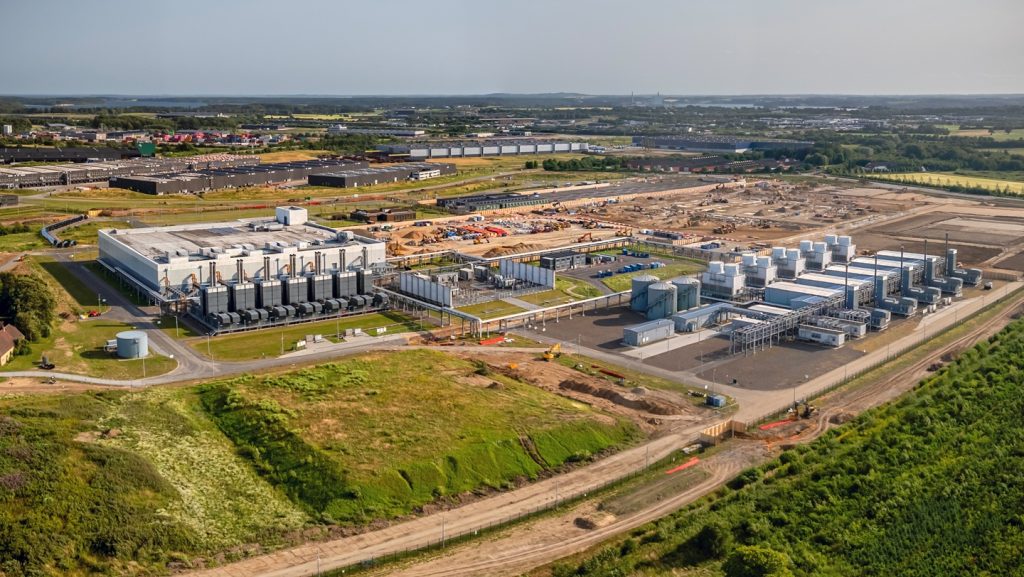
KAYTUS has launched a liquid cooled AI data centre solution that is based on a full factory prefabrication model.
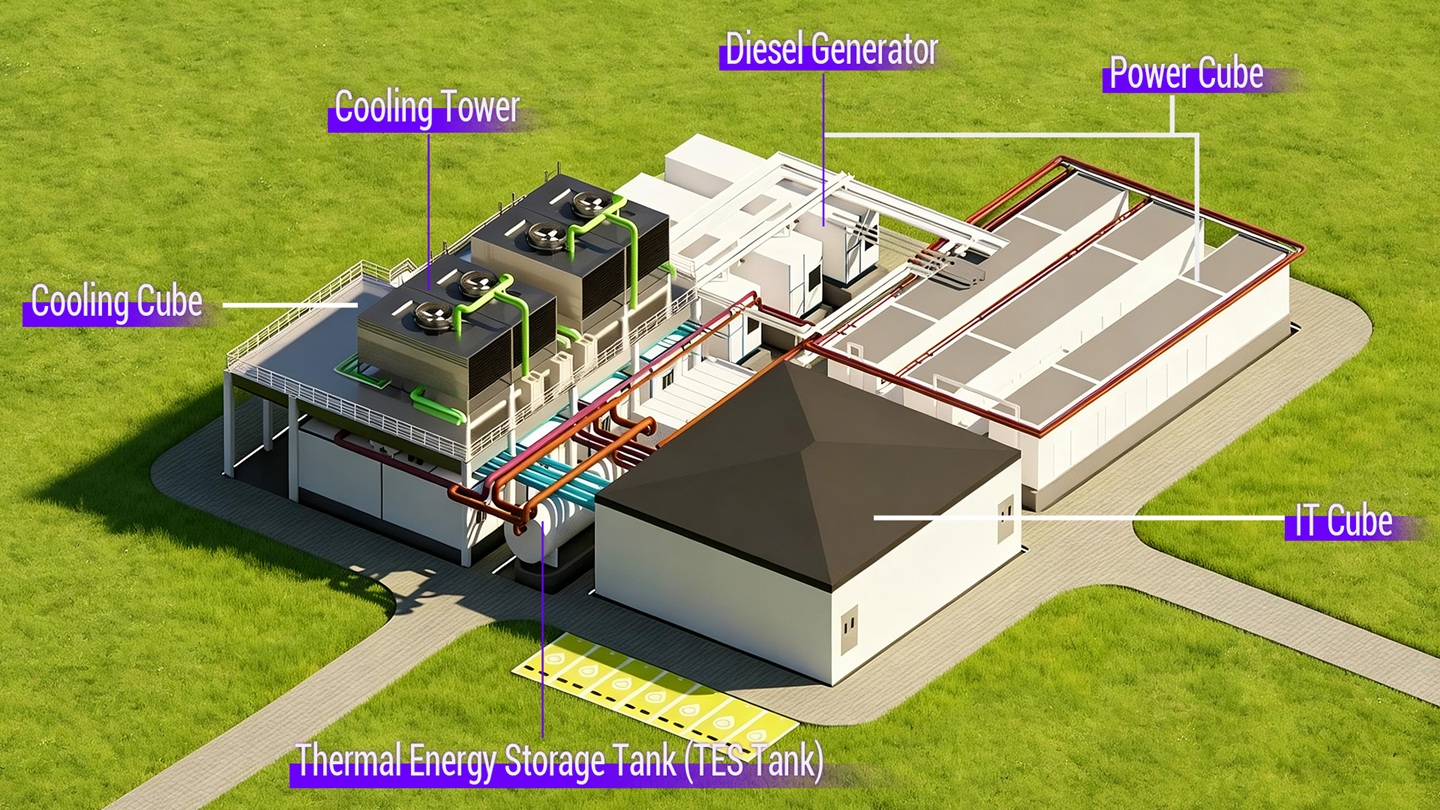
This system, designed to support high-density AI workloads, consists of three distinct modular units: IT Cube, Power Cube, and Cooling Cube.

Access deeper industry intelligence
Experience unmatched clarity with a single platform that combines unique data, AI, and human expertise.
The architecture starts from a 3MW base unit and can scale to 10MW, 15MW, 100MW, and up to 1GW AI Factory deployments.
KAYTUS will provide a single vendor delivery, covering planning, integration as well as operations.
The company stated that the factory-based prefabrication model covers all core subsystems, IT, power, and cooling, aiming to provide faster deployment and standardised build quality.
The European Union’s AI Factories initiative is driving demand for sovereign AI infrastructure. The company identified speed of deployment, construction quality, and capital risk as three key hurdles associated with traditional data centre builds.
Conventional projects often require 18 to 24 months to complete and can be affected by fragmented vendor delivery, variable quality standards, and substantial upfront investments.
In contrast, KAYTUS said that its prefabricated approach can cut deployment times to approximately six to eight months, including factory manufacturing and on-site installation.
The IT Cube module uses a stacked container design and is delivered with systems fully integrated and tested at the factory, including liquid-cooled compute racks with upgrade paths for next-generation hardware.
The Power Cube contains prefabricated grid and generator power components, rated to meet Uptime Institute Tier III-level N+1 availability, with all simulations and testing completed off-site.
Further, the Cooling Cube includes separate high-temperature and low-temperature cooling plants, emergency reserves, and is pressure-tested prior to delivery.
KAYTUS claims that assembly and validation work performed in a controlled environment yields greater consistency and reduces reliance on local labour, while minimising commissioning risks.