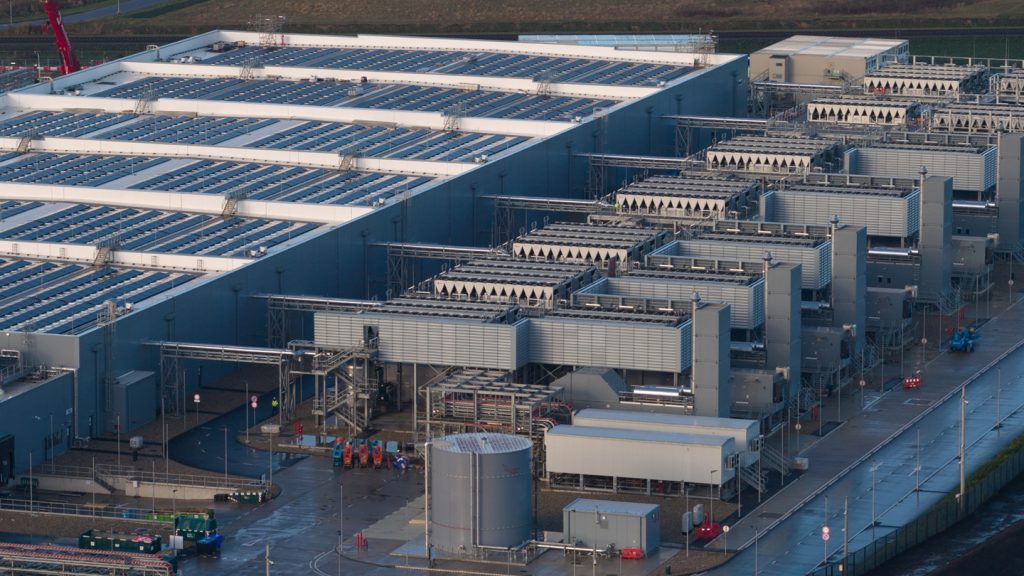
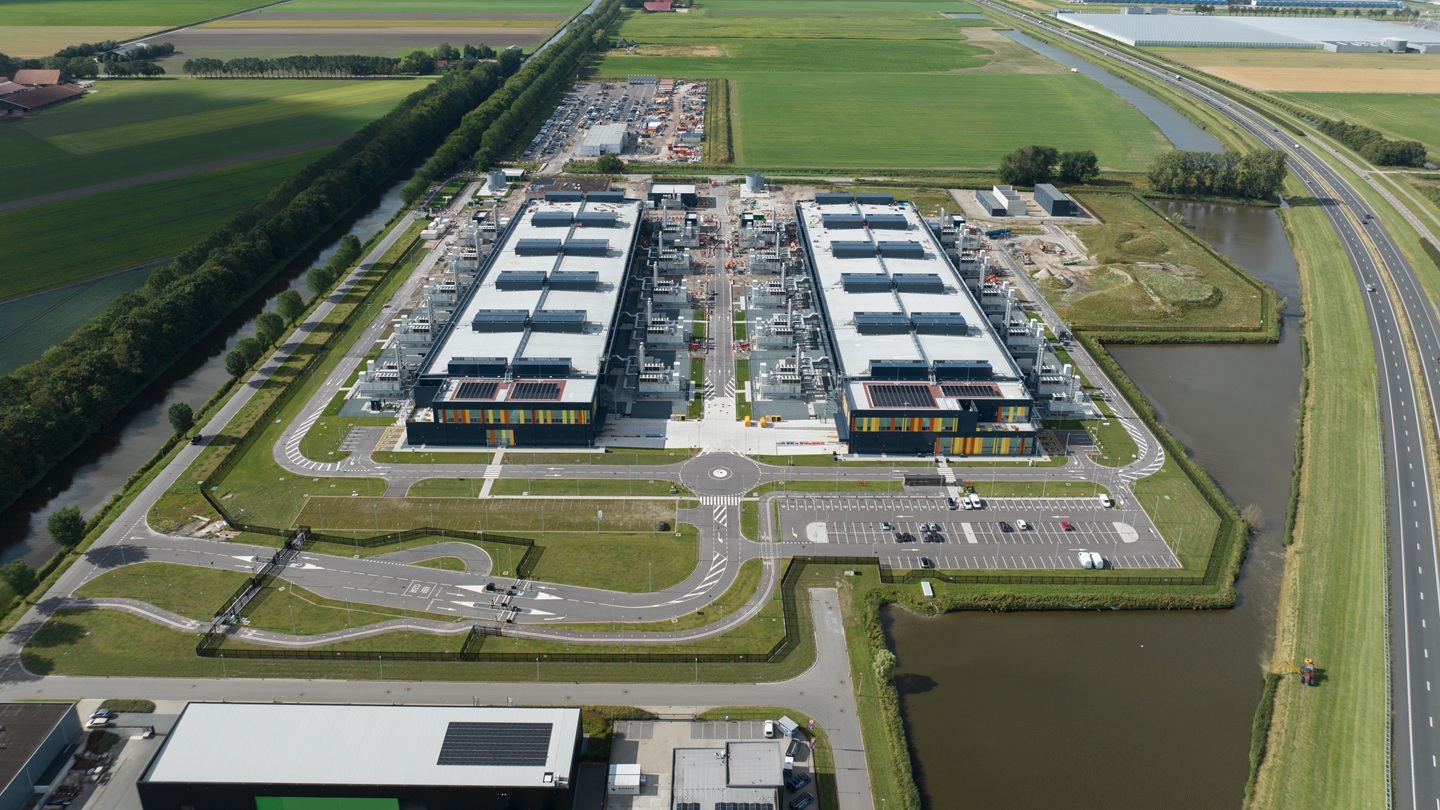
Energy infrastructure firm EverWind has announced a C$10bn ($7.1bn) private investment in Point Tupper data centre campus as well as renewable energy portfolio across Nova Scotia.
More than C$8bn is allocated to build the computing facility, with the remaining C$2bn dedicated to supporting onshore wind generation.

Access deeper industry intelligence
Experience unmatched clarity with a single platform that combines unique data, AI, and human expertise.
The proposed campus will deliver 420MW of computing capacity intended to meet expanding demand for AI and digital services across Canada.
This data centre project will roll out across two stages, beginning with a 95MW phase scheduled for late 2027. EverWind has already secured a long-term lease agreement with an unnamed frontier AI developer for this initial capacity.
A subsequent 325MW expansion is scheduled for 2028, subject to commercial, technical, and regulatory conditions.
EverWind founder and CEO Trent Vichie said: “Point Tupper has supported industry in the Strait Region for more than 50 years. Today’s announcement represents major new investment in Nova Scotia’s digital and energy infrastructure and highlights the role Nova Scotians can play in driving Canada’s renewed economic ambitions, marking a new chapter for the site and creating opportunities for rural Nova Scotia.
“For decades, Nova Scotians have helped build major projects across Canada, often leaving home to find well-paying work. With this investment, we’re creating more opportunities for people to find jobs and build their careers at home in rural Nova Scotia.”
To power the computing infrastructure, EverWind will allocate C$2bn to four provincial wind schemes: Bear Lake, Windy Ridge, Kmtnuk, and Upper Afton. The site will also incorporate several hundred megawatt hours (MWh) of battery storage.
EverWind stated it will fully finance all connection and network upgrades so project costs do not impact local electricity ratepayers.
The facility will be able to curtail grid demand during peak periods, and expansion grid connections remain contingent on provincial utility studies and approvals.
Cooling for the data halls will rely on a closed-loop air and water–glycol system, with water-assisted cooling reserved for peak temperatures.
Initial water consumption is projected at roughly 100,000 litres daily, rising to 500,000 litres per day once fully developed. All cooling fluids will be captured for recycling or off-site disposal.
According to economic modelling by Davis Pier, construction of the data centre will generate approximately C$2bn in provincial gross domestic product (GDP), alongside C$2.4bn in direct provincial spending and C$1.5bn in corporate income taxes over 20 years.
Operational facilities are projected to contribute C$137m annually to provincial GDP.
The build-out will support roughly 2,000 temporary construction jobs and 215 permanent operational positions across the data centre and wind sites.
In addition, Membertou Development Corporation is leading a First Nations consortium currently in discussions to acquire an equity stake in the data centre campus.
EverWind will also fund a community benefit programme valued in the tens of millions of dollars, while project operations are forecast to yield more than C$400m in municipal tax receipts.
The company noted that its existing plans for green hydrogen and ammonia at Point Tupper remain unchanged.