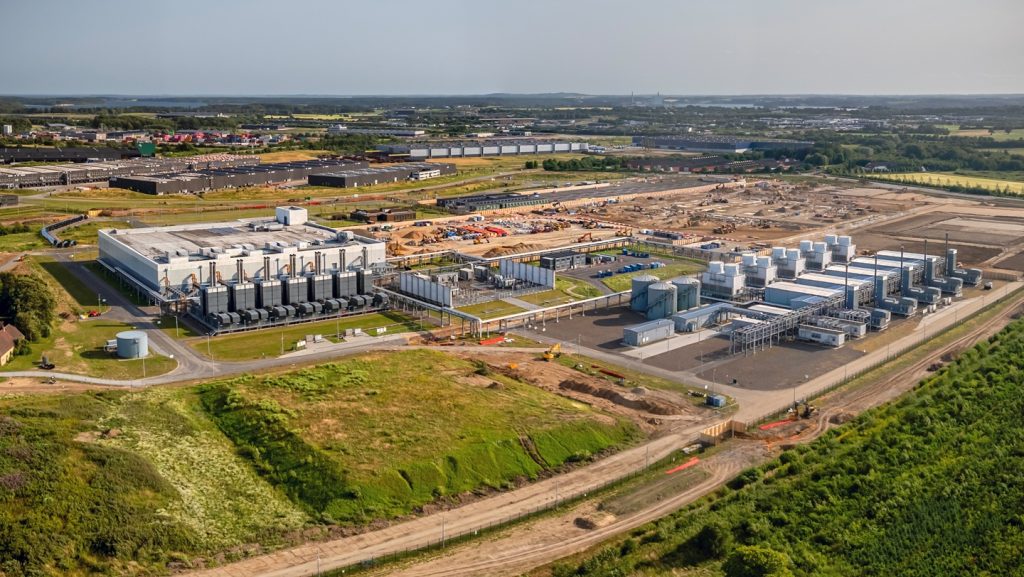
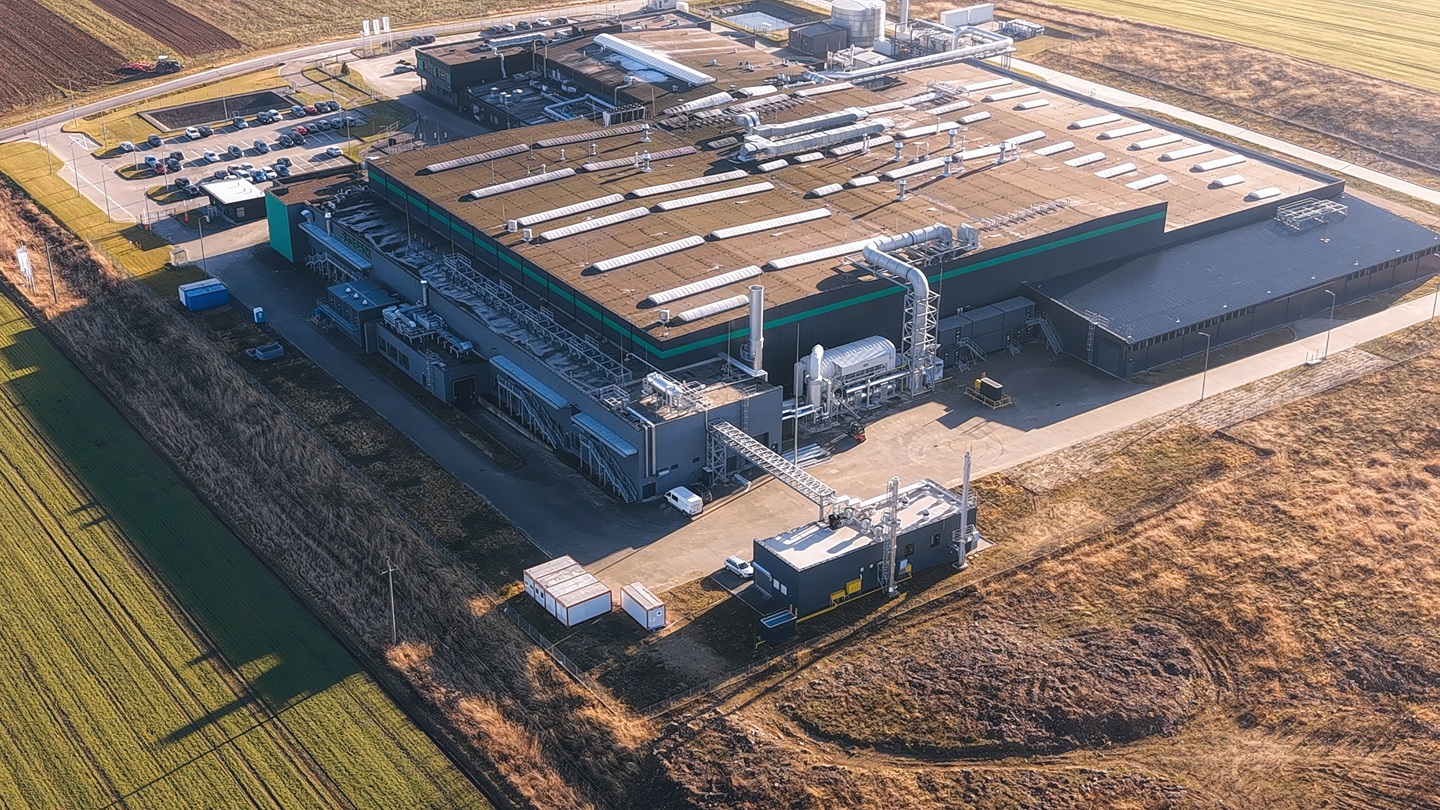
OpenAI is set to invest more than $30bn in a new data centre complex in Effingham County, near Savannah, Georgia, US, aimed at addressing growing requirements for AI services, reported Bloomberg.
The company has secured a commitment for 3.2GW of energy from Georgia Power.

Access deeper industry intelligence
Experience unmatched clarity with a single platform that combines unique data, AI, and human expertise.
Portions of the new capacity are due to come online from 2028, with development expected to continue through 2032.
To qualify for an incentive package under consideration this week, OpenAI has committed to spending $20bn in the region.
OpenAI compute strategy vice-president Sachin Katti said that OpenAI is seeking partners to assist with financing and construction but may also manage parts of the operation in-house.
The company intends to standardise the design and architecture of its future AI data centres and make these plans publicly available for other organisations as a reference, according to Katti.
Katti said: “Now that we have gone through two or three generations of compute, there’s a bunch of lessons around how these things should be designed that can cut both costs as well as make it faster to build the stuff. That’s why we are putting our foot forward and leading the design and the whole process here.”
OpenAI will pursue an open-source initiative similar to the Open Compute Project.
OpenAI CEO Sam Altman has earlier indicated that OpenAI expects to invest trillions of dollars in physical infrastructure over time to support future AI ambitions.
The firm has recently withdrawn from some projects in Norway and the UK and decided not to expand at its Stargate campus located in Texas, aligning with internal efforts to streamline investments ahead of a possible Wall Street listing.
OpenAI stated it will cover all electrical infrastructure and power costs for the Georgia campus, following state regulations. The facility is expected to use closed-loop water cooling system and will aim to minimise power use during peak demand.