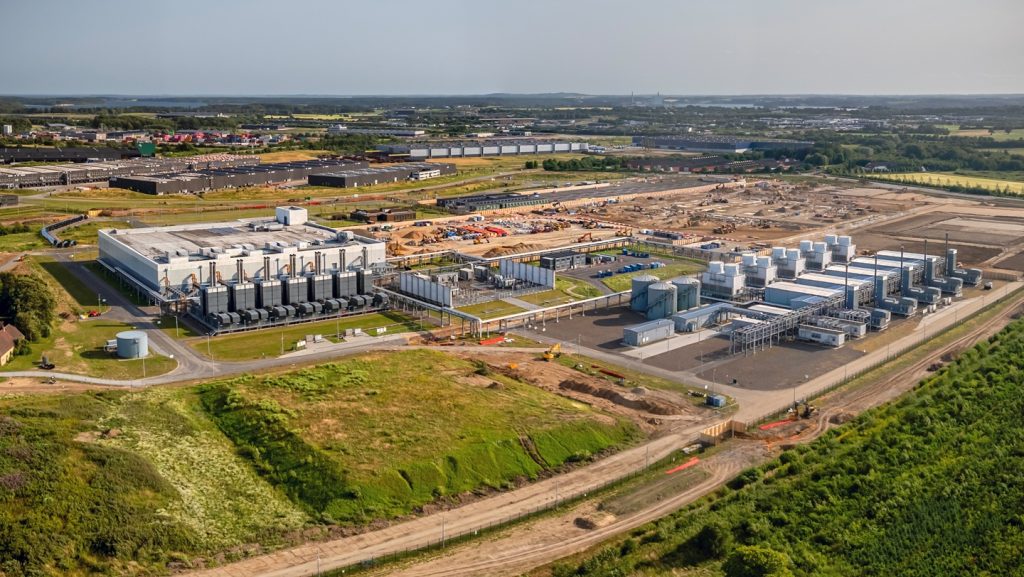
Nixxy and Tachyon 9 have announced plans to progress with the Nakota Data Campus, a $1bn AI data centre project in the US state of North Dakota.
The facility is designed to deliver up to 1GW of AI compute capacity and will feature reliable on-site power, a pathway to carbon neutrality, and low-water cooling systems.

Access deeper industry intelligence
Experience unmatched clarity with a single platform that combines unique data, AI, and human expertise.
The project comes as the AI and hyperscale computing sectors face increasing scrutiny over grid pressures, carbon emissions, and water usage.
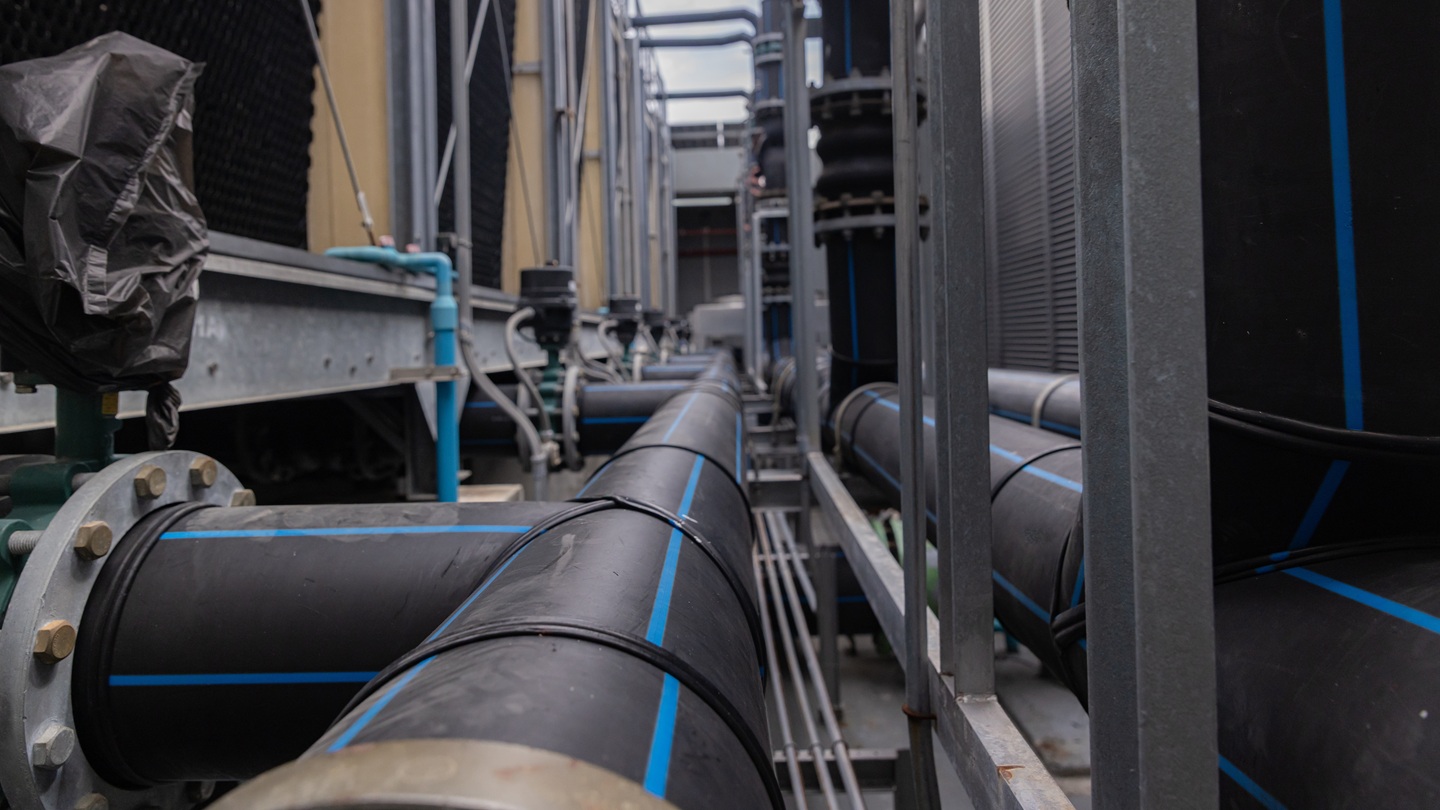
The Nakota Data Campus has been developed to directly address these concerns, with the proposed design centred on behind-the-meter power generation, hydrogen-ready turbine technology, and advanced closed-loop liquid cooling to reduce freshwater demand.
The energy strategy for the campus is set to include hydrogen-rich fuels utilising natural gas that would otherwise be flared.
This approach could help convert previously underused energy sources into reliable power supply for AI computing, while aiding a move toward lower-carbon operations.
The campus is planned across roughly 620 acres in North Dakota’s energy corridor. It is expected to benefit from local natural gas resources, existing infrastructure, cooler local climates, and access to a skilled workforce.
The companies aim to have the first 120-150MW of computing capacity operational in the second quarter (Q2) of 2027, pending financing, regulatory approvals, and the completion of the proposed merger between the companies. Long-term plans include scaling up to 1GW.
Tachyon 9 CEO Shahal Khan said: “Nakota is not trying to explain away the AI infrastructure debate, it is being engineered as the answer to it. Our goal is not to market around the environmental debate, but to engineer into it.”
The Nakota Data Campus forms part of a proposed strategic combination between Nixxy and Tachyon 9 intended to create a NASDAQ-listed platform focused on hyperscale computing and energy infrastructure.
Both companies claim the project could qualify under the US Government’s Fourth State Initiative for clean hydrogen and energy security objectives.