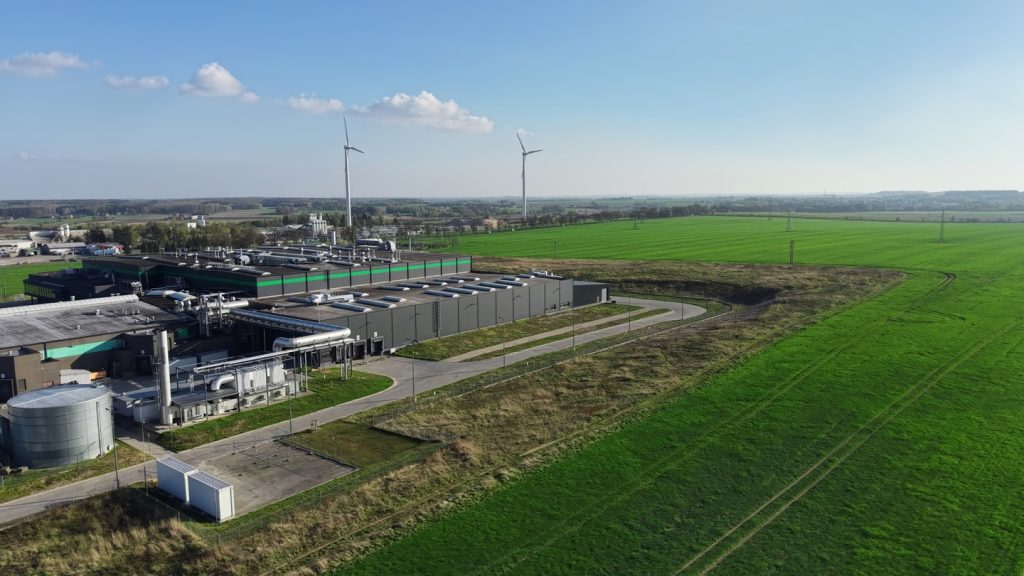
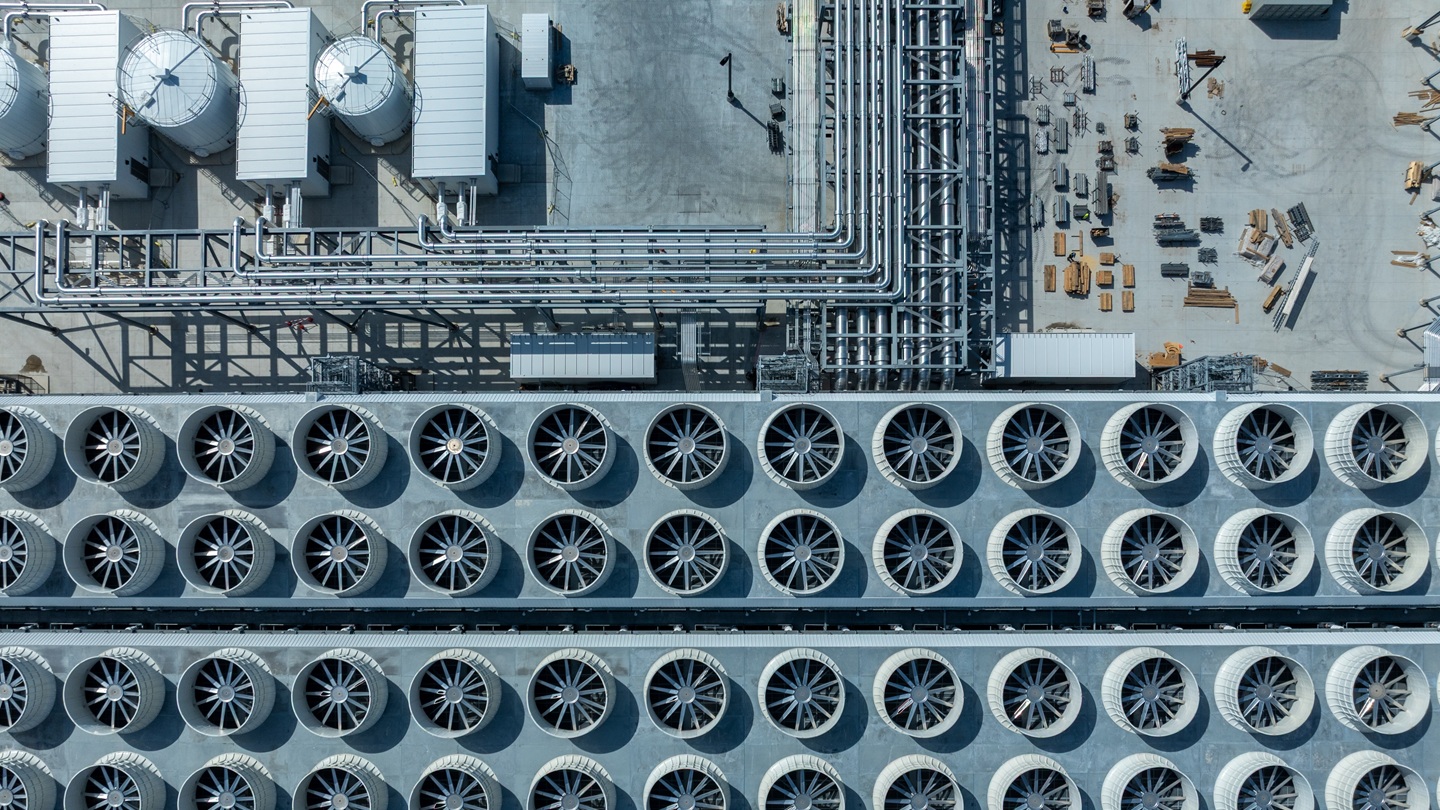
DIMAAG has launched the ZettaWatt Power Platform, a modular system designed for grid-to-800 VDC power conversion and stabilisation, targeting hyperscale AI data centres.
The platform has been independently validated by Electric Power Engineers (EPE) and complies with the Electric Reliability Council of Texas (ERCOT) requirements for low-voltage ride-through.

Access deeper industry intelligence
Experience unmatched clarity with a single platform that combines unique data, AI, and human expertise.
It reportedly reduces cyclic loads to below 1% all while avoiding the energy efficiency loss associated with double power conversion.
This addresses the interconnection challenges that hinder AI data centres from linking to the grid.
With the expansion of AI driving changes in both data centre architecture and utility interconnection, operators are facing more stringent requirements from utilities.
In the ERCOT region of Texas, NOGRR282, which came into effect from 1 August 2026, requires large computational loads to remain connected to the grid during certain voltage and frequency disturbances.
At the same time, a shift is underway towards higher-voltage direct current (DC) power distribution, with companies such as Nvidia and other hyperscale operators moving from 50 volts direct current (VDC) to 800 VDC architectures to accommodate next-generation AI servers and megawatt-class racks.
The ZettaWatt system integrates grid-to-800 VDC conversion with the company’s patented Zenius immersion-cooled battery, real-time controls, and Zifer intelligent energy management within a deployable solution.
DIMAAG CTO Ian Wright said: “By taking advantage of the new 800 VDC standard with a new power architecture, the ZettaWatt Power Platform does more than meet the new grid compliance requirements – it fundamentally redefines hyperscale infrastructure economics. The system is more efficient and has a smaller footprint than alternatives, both existing and proposed, with lower capital and operating costs.”
DIMAAG states that the ZettaWatt platform may simplify AI data centre electrical infrastructure by eliminating traditional double power conversion, AC switchgear and separate UPS systems.