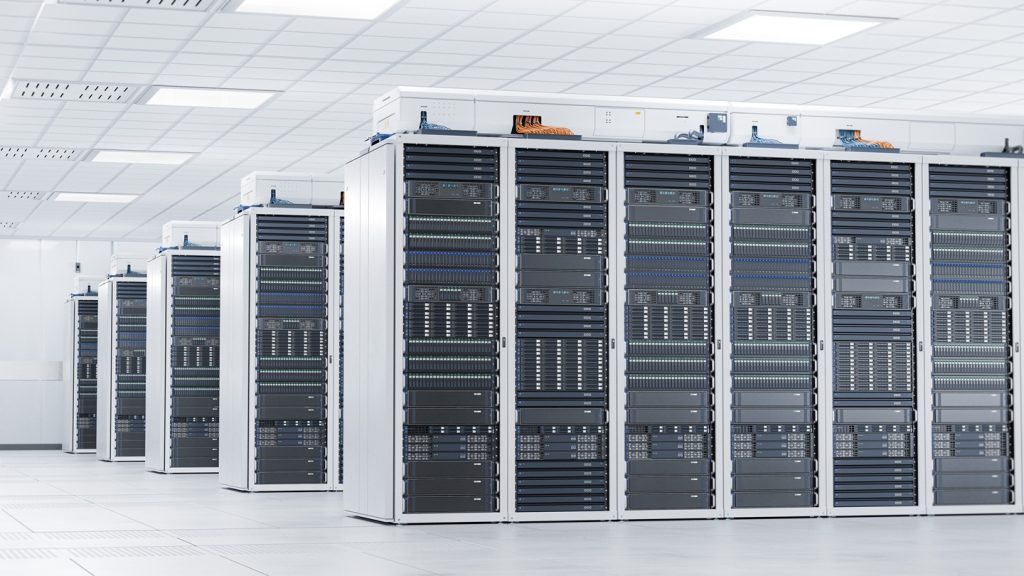

Qualcomm Technologies and Amazon have entered into a multi-generation partnership to design customised silicon and optical connectivity solutions for large-scale AI data centres.
The companies plan to jointly design silicon for use in Amazon Web Services (AWS) data centres, specifically for AI inference tasks.

Access deeper industry intelligence
Experience unmatched clarity with a single platform that combines unique data, AI, and human expertise.
The collaboration will leverage Qualcomm’s expertise in power-efficient processing, silicon design, and system-level integration.
In addition, the two firms will work together on high-performance optical connectivity designed to address growing bandwidth requirements, utilising Qualcomm’s SerDes and optical DSP technologies.
Planned optical connectivity solutions are expected to extend up to 1.6T.
As part of the arrangement, Qualcomm also intends to expand its use of AWS’ AI infrastructure, including Amazon Bedrock, in support of electronic design automation workloads. This is aimed at reducing chip design cycles.
Qualcomm Incorporated president and CEO Cristiano Amon said: “As AI demand accelerates, data centre infrastructure will require advances in both computing and connectivity to deliver greater performance with more efficiency.
“Qualcomm is pleased to work with AWS on customised silicon and connectivity solutions, bringing decades of leadership in advanced processing and power-efficient compute, to deliver breakthrough performance and enable the next generation of AI infrastructure.”
AWS vice-president Prasad Kalyanaraman said: “This collaboration with Qualcomm Technologies builds on a strong foundation of partnership and reflects our shared commitment to pushing the boundaries of what’s possible.
“By working together on customised silicon and advanced connectivity, we’re delivering more performant, efficient, and cost-effective infrastructure for our customers.”
In June this year, Qualcomm announced a multi-generation agreement to supply data centre central processing units (CPUs) supporting the growing compute footprint of Meta.